
What Is Variable Data Printing (VDP)?
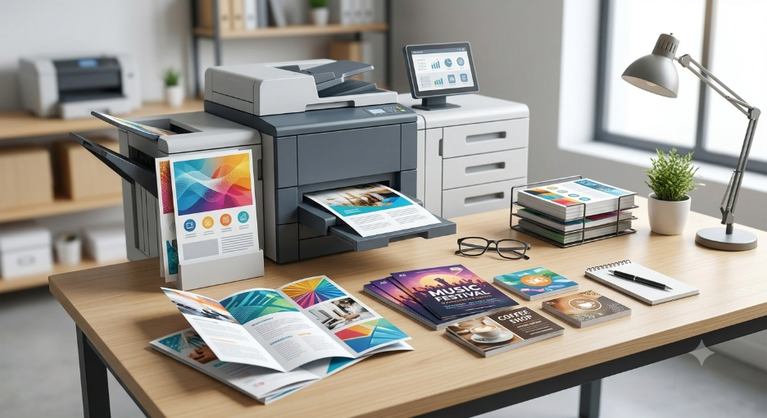
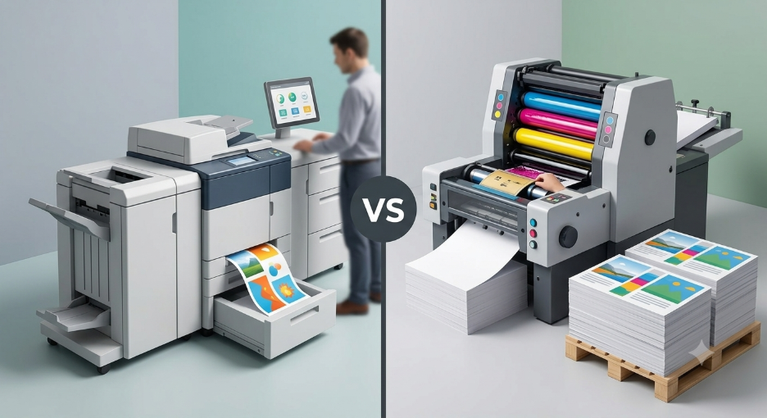
Variable Data Printing (VDP) is a print process where specific elements — like names, images, offers, locations, or messaging — can change from piece to piece based on a data file. Instead of producing one static design for everyone, VDP allows you to personalize content at scale while maintaining consistent brand design standards.Why Prepress Matters for Personalized Print Campaigns
Prepress is where personalization either becomes a performance advantage — or a production risk. It’s the stage where files are prepared for printing, data is validated, and variable logic is tested so that every version prints correctly. For non-print marketers, the key takeaway is simple: the more personalized your campaign becomes, the more important clean prepress becomes.Static vs. Variable Elements in VDP Design
Most VDP layouts include two categories of content: Static elements stay the same on every piece (logos, backgrounds, brand statements, legal lines). Variable elements change based on recipient data (name, images, segments, offers, event locations, QR codes). The goal is to structure the design so variable areas have enough space, correct styling rules, and a clear relationship to the dataset — without breaking the layout when content changes.Rule-Based Logic and Dynamic Content Mapping
VDP becomes much more powerful when personalization is guided by rules. Instead of just dropping in a name, you can map content to different segments and trigger messaging based on data fields. Examples include:- Different offers based on customer segment
- Unique imagery based on region or industry
- Conditional headlines based on buying stage
- Dynamic QR codes tied to individual landing pages
Preparing and Formatting Data for Variable Printing
A great VDP campaign depends on clean, correctly formatted data. Before files go to print, confirm:- All required fields are present (and consistently named)
- No missing values in critical fields (name, address, offer, segment, etc.)
- Text limits are defined so long values don’t overflow layout areas
- Image fields are standardized (format, naming, resolution)
- QR / URL fields are validated and tested
Proofing and Quality Control Before Production
Proofing in VDP should go beyond checking one “golden sample.” Best practice includes testing multiple variations across segments, longest text values, and edge-case records. A smart VDP proofing process typically includes:- Preflight checks for fonts, images, bleeds, and color profiles
- Soft proofs showing multiple variable versions
- Sample outputs or test runs for complex logic
- Final approval checks before full production
Scaling VDP into Large-Format and Multichannel Campaigns
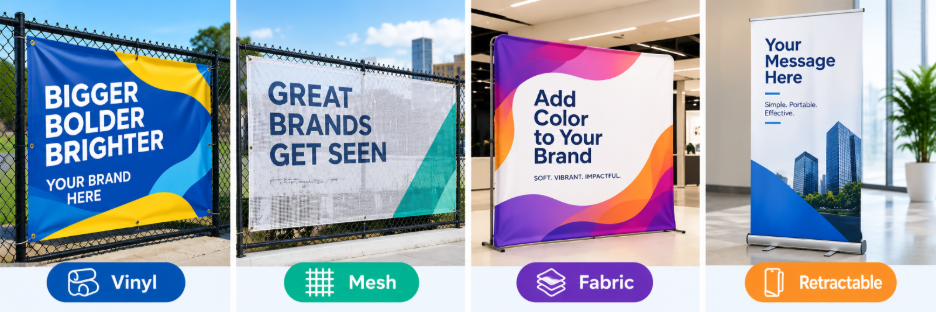
VDP doesn’t only apply to postcards and mailers. It can support broader campaign ecosystems where print drives measurable engagement. When paired with large-format print in multichannel marketing, personalization can extend into signage, displays, and location-based messaging — helping brands stay consistent while tailoring content to audience and context.From Personalization to Real-World Execution
When print moves into event environments, retail rollouts, or high-volume campaigns, reliability becomes the differentiator. Solid prepress planning supports how reliable large-format print supports live events by reducing last-minute surprises and ensuring every piece arrives accurate, on brand, and on time.Final Thoughts: Building Reliable, Personalized Print Experiences
For non-print marketers, the best VDP results come from treating technical design and prepress as part of the campaign strategy — not just production steps. When templates are structured correctly, data is clean, logic is tested, and proofing is thorough, VDP becomes a scalable engine for relevance and response — powering personalized print experiences that stand out in a crowded marketing landscape.Related Reading
Want to see how VDP connects to engagement, large-format campaigns, and live event execution? These articles go deeper:
- How Texture & Personalization Boost Engagement
- How Large-Format Print Drives Modern Multichannel Marketing
- Why Reliable Large-Format Print Matters for Events