Key Takeaways
- Personalized direct mail achieves response rates around 6%, roughly three times the rate of generic mail, according to ANA/ DMA benchmarks.
- Variable data printing changes the name, offer, images, fonts, and colors per recipient in a single print run.
- Generic mail addressed to ‘Dear Homeowner’ gets ignored. Mail that speaks to the recipient gets opened.
- VDP printing draws on your existing customer data, names, location, purchase history and preferences to personalize at scale.
- Companies that use VDP consistently report higher ROI from their direct mail campaigns than those that do not.
Table of Contents
- Why Generic Direct Mail Fails
- What Variable Data Printing Does Differently
- How VDP Increases Direct Mail Response Rates
- What You Can Personalize with VDP Printing
- Why NextPage for Variable Data Printing Services
- Frequently Asked Questions
Have you ever received a generic piece of mail that made you feel like one of the masses? Something addressed to ‘Dear Homeowner’ or ‘Our Neighbors At.’ Now think about the last time you received mail that included your name and an offer tied to something you actually care about. Different feeling entirely.
That difference is the whole argument for variable data printing. In a world where people are exposed to hundreds of marketing messages every day, personalization is what makes something stop the scroll, or in this case, stop the trash.
1.Why Generic Direct Mail Fails
Generic direct mail fails because it treats every recipient the same. ‘Dear Homeowner’ tells the reader immediately that this piece was not made for them; it was made for a list, and they happen to be on it. That impression forms in the first second, and most pieces do not survive it.
The ‘spray and pray’ approach, sending the same message to as many people as possible and hoping some respond, produces predictably weak results. Non-personalized mail averages around a 2% response rate, according to ANA (Association of National Advertisers) Response Rate Report. That means 98 out of every 100 pieces go straight to the bin. At scale, that is a lot of wasted budget.
Consumers today are overwhelmed by marketing clutter. Grabbing their attention requires something that feels relevant to them, not something that could have been sent to anyone. That is where personalized direct mail changes the equation.
2.What Variable Data Printing Does Differently
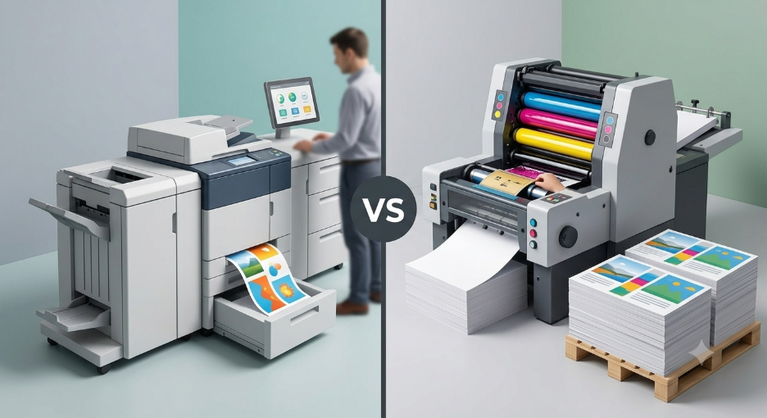
Variable data printing (VDP) does one thing well: it makes every piece in the run different. Instead of one design for thousands of people, every recipient gets a version built from what you know about them.
Using your existing customer data such as names, where they live, purchase history, interests, whether they are single or married, VDP printing builds a tailored message for each recipient automatically. No manual work per piece. No separate campaigns per segment. One run, thousands of personalized results.
When someone receives a mail piece that speaks to their interests, their location, or their buying behavior, they respond differently. That response is what increases ROI.
Talk to NextPage About VDP for Your Next Campaign →
3.How VDP Increases Direct Mail Response Rates
The numbers behind variable data printing are straightforward. According to ANA Response Rate Report, non-personalized mail pieces average around a 2% response rate. Personalized pieces average around 6%, a roughly 300% increase in response.
That gap compounds at scale. A campaign of 10,000 pieces at 2% produces around 200 responses. The same campaign personalized with VDP, at 6%, produces around 600 responses from the same list, with the same postage spend. The only thing that changed is what each person received.
Ferrellgas saw this firsthand. After implementing NextPage’s personalized direct mail automation, their customer response rate doubled from 15% to 30%. The creative did not change. The targeting and personalization did.
Habitat for Humanity of Kansas City achieved a 270% lift in conversions when NextPage combined personalized direct mail with IP targeting, producing their highest-grossing appeal campaign ever.
4.What You Can Personalize with VDP Printing
VDP printing goes well beyond putting a name on a letter. Here is what can be personalized within a single direct mail run:
- Name and address: The baseline but still the most effective first signal that the piece was made for this person.
- Offers and messaging: Different offers for different segments including new customers, lapsed customers, high-value buyers are all in the same run.
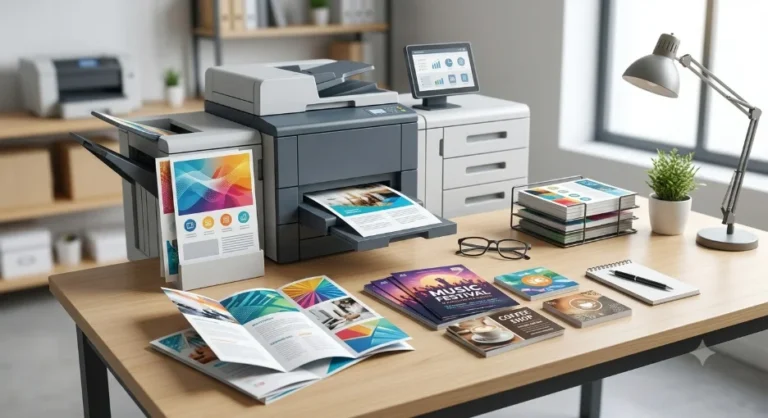
- Images: Product images, lifestyle imagery, or location-specific photos matched to the recipient’s profile.
- Fonts and colors: Visual design elements adjusted to match the audience segment or campaign tone.
- QR codes and PURLs: Unique codes per recipient that track who responds, what they looked at, and whether they converted.
Mail pieces with a range of personalized colors, images, and fonts stand out and perform better. The more it looks like it was made for them, the more likely they are to do something with it.
5.Why NextPage for Variable Data Printing Services
NextPage is a Kansas City variable data printing services provider running personalized direct mail campaigns for brands, nonprofits, healthcare organizations, and financial institutions, locally and nationally.
- Speed: Variable data presses running up to 400 feet per minute.
- Data integration: Direct connection to your CRM or marketing automation platform.
- USPS optimization: CASS certification, presorting, and postage optimization on every campaign.
- Full personalization: Names, offers, images, fonts, colors, QR codes, and PURLs are all variable.
- Proven results: Ferrellgas doubled response rates. Habitat for Humanity achieved 270% conversion lift.
Ready to Use VDP for Your Next Direct Mail Campaign? →
6.Frequently Asked Questions
What is variable data printing?
Variable data printing is a digital printing process that produces a unique version of every piece in a run, changing the name, offer, image, and QR code per recipient without stopping the press. It is what turns a direct mail campaign from a broadcast into a one-to-one conversation.
How much does variable data printing improve direct mail response rates?
According to ANA/ DMA benchmarks, direct mail response rates for personalized pieces average around 6%, compared to around 2% for non-personalized mail, roughly a 300% improvement. Ferrellgas doubled their response rate from 15% to 30% after implementing personalized direct mail automation through NextPage.
What data do I need to run a VDP printing campaign?
The more you know, the more targeted the piece. Name and address gets you in the door. Purchase history, location, and preferences are what make people actually respond. NextPage’s VDP printing workflow includes data validation and cleaning before production begins.
Can variable data printing change images and colors per recipient?
Yes. Variable data printing services can change any visual element mapped to a data field including images, fonts, colors, offers, QR codes, etc. all within the same print run. Two people on the same list can receive pieces that look nothing alike, different image, different color scheme, different offer. Both come off the same press in the same run.
What is personalized direct mail?
Personalized direct mail is a direct mail campaign where each piece is customized per recipient using variable data printing. It goes beyond a name on a letter to change the offer, imagery, and messaging based on what you know about each person on the list.